Precipitation Data Quality Control with Artificial Intelligence
Development of innovative methods for automated quality verification of precipitation data for forecasts, infrastructure management and disaster protection.

Project Development
Project Information


Precipitation Data Quality Control with Artificial Intelligence
The research project focuses on the development of innovative methods for automated quality verification of precipitation data. The aim is to significantly improve the quality of meteorological measurement data and to optimize its use for forecasts, infrastructure management and disaster protection. Reliable and timely availability of high-resolution meteorological data is an important prerequisite for precise weather forecasts and for decisions in areas such as flood protection, traffic management or urban planning.
The central goal of the NIQKI project is to develop methods for automated plausibility checking of precipitation data using additional meteorological and climate information. Modern artificial intelligence methods are used for this purpose.
- Development of AI-based methods for quality checking of precipitation data
- Improvement of data quality for weather and flood forecasts
- Automation of previously partially manual verification processes
- Integration of methods into modern data platforms
- Support of data-based decisions in infrastructure and disaster protection
- Use of AI for quality control of precipitation data
- Automation of expert verification procedures
- High-frequency data processing in near real-time
Reliable collection of high-quality meteorological measurement data is a central prerequisite for precise precipitation forecasts and the applications built on them. The currently partially manual verification of measurement data leads to delays in data provision.
Automated methods for quality verification of measurement data can therefore make an important contribution to making meteorological data available faster and more reliably, thus improving decision-making processes in various areas.
Technology, Data & Results
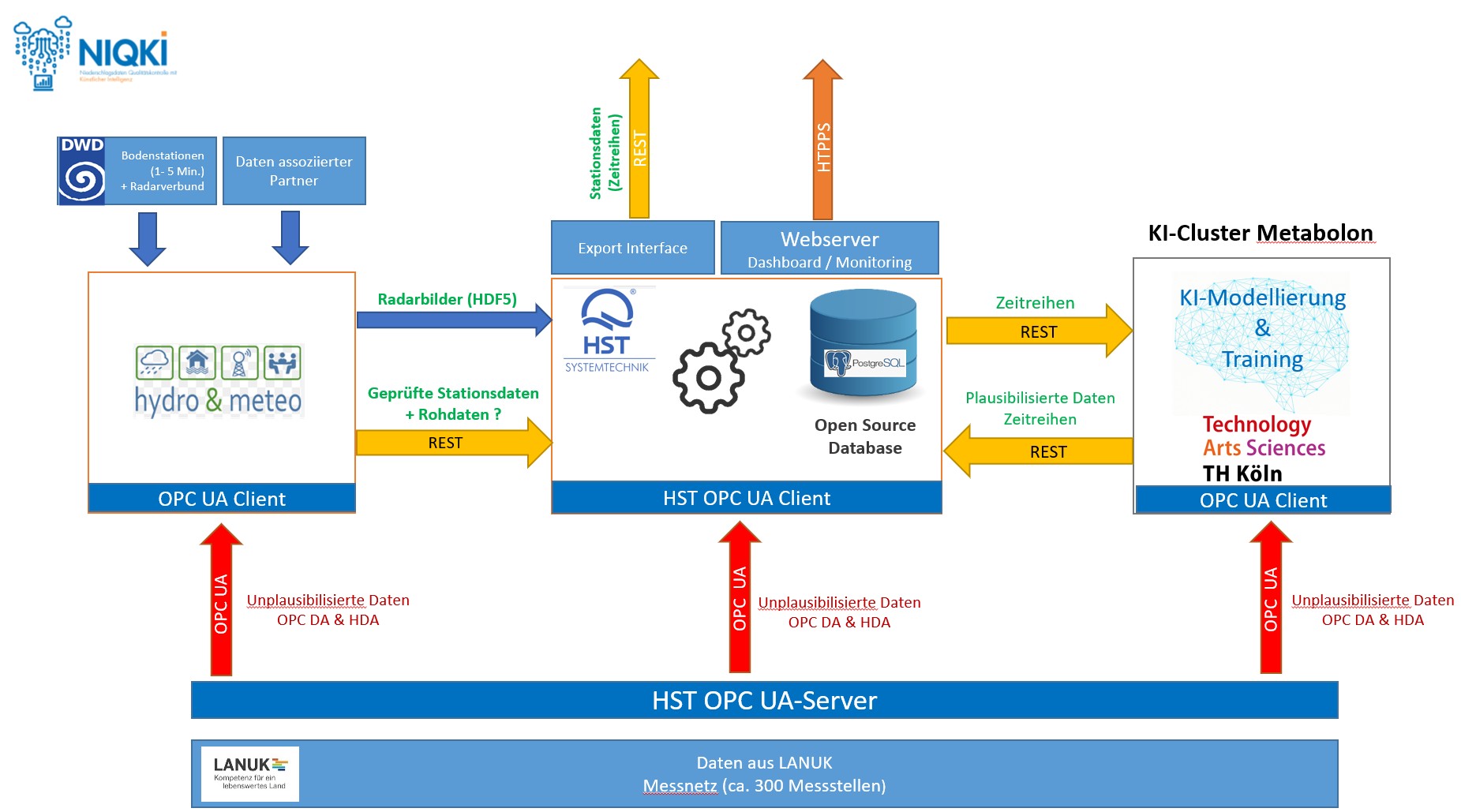
In the NIQKI project, modern methods of data analysis and artificial intelligence are used to automatically assess the quality of precipitation data. The collected measurement data is transferred to a cloud-based data platform and checked for plausibility within a short time.
The AI models are developed and trained on the basis of historical measurement data and existing verification experience. By combining various analysis methods, measurement errors can be detected more quickly and data can be reliably evaluated.
The project is based on extensive meteorological measurement data from various sources. These include in particular data from the hydrometeorological measurement network of the State Office for Nature, Environment and Consumer Protection North Rhine-Westphalia (LANUK).
This data is supplemented by further meteorological and climate information, in particular by precipitation data (e.g. radar data) from the DWD and associated partners. By using historical datasets, the AI models can be trained and then applied to current measurement data.
The NIQKI project will produce a number of scientific and technological results. These include new methods for automated quality verification of meteorological data as well as a corresponding data platform.
- New AI-based quality verification methods
- Data platform for analysis and processing of meteorological data
- Improvement of climate and flood forecasts
- Scientific publications and presentations at specialist events
The developed methods and data products benefit various user groups:
- Improved safety during extreme weather events
- Support for resilient infrastructure
- Better decision-making basis for authorities and operators of critical infrastructure
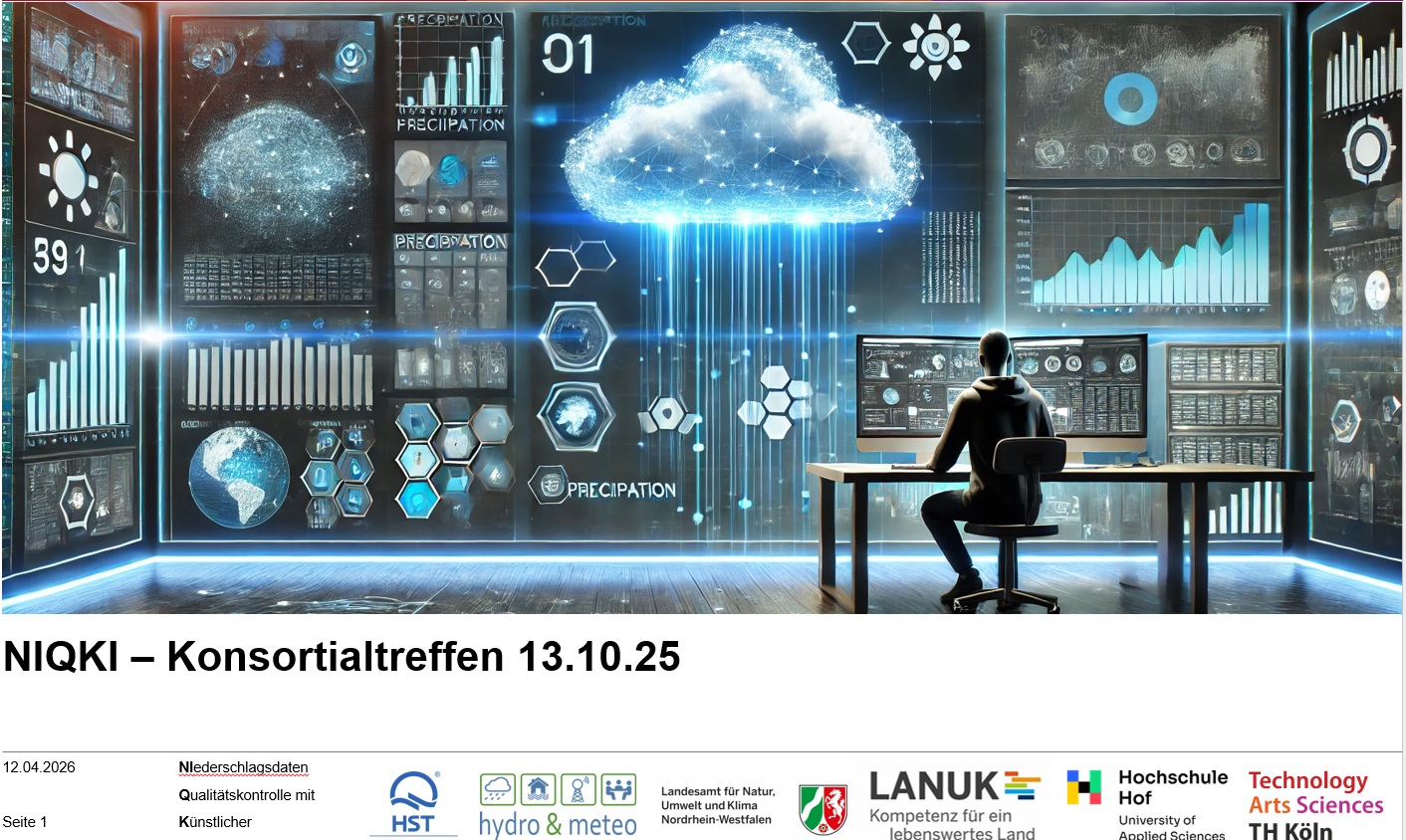
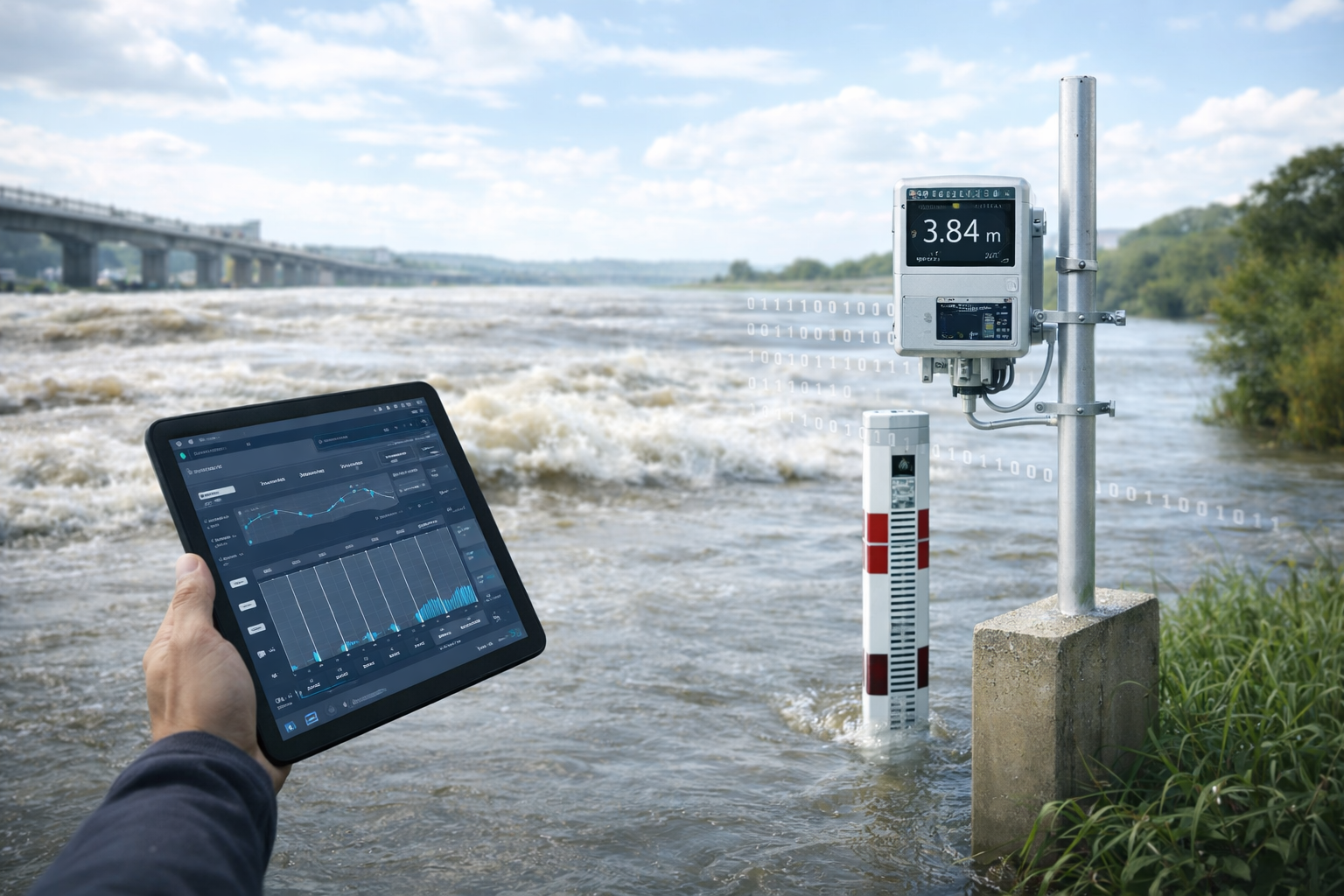
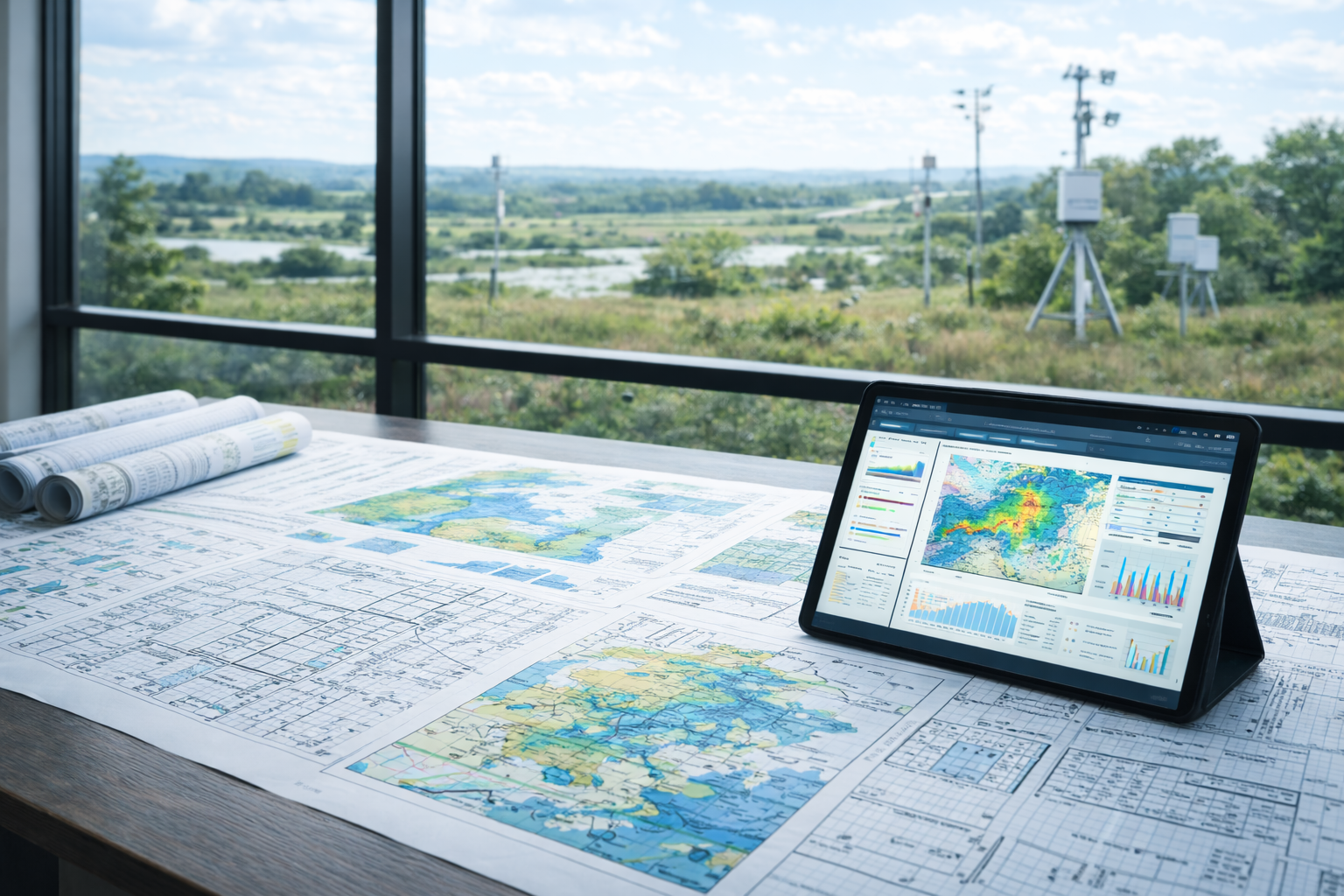
 © KI-Generierte
Fields of Application
The methods developed in the project can be used in various fields where reliable meteorological data plays an important role.



Project Phases & Work Packages
Project Partners


.png)